What Is Bitcoin ($BTC)? Explained for Malaysian Traders
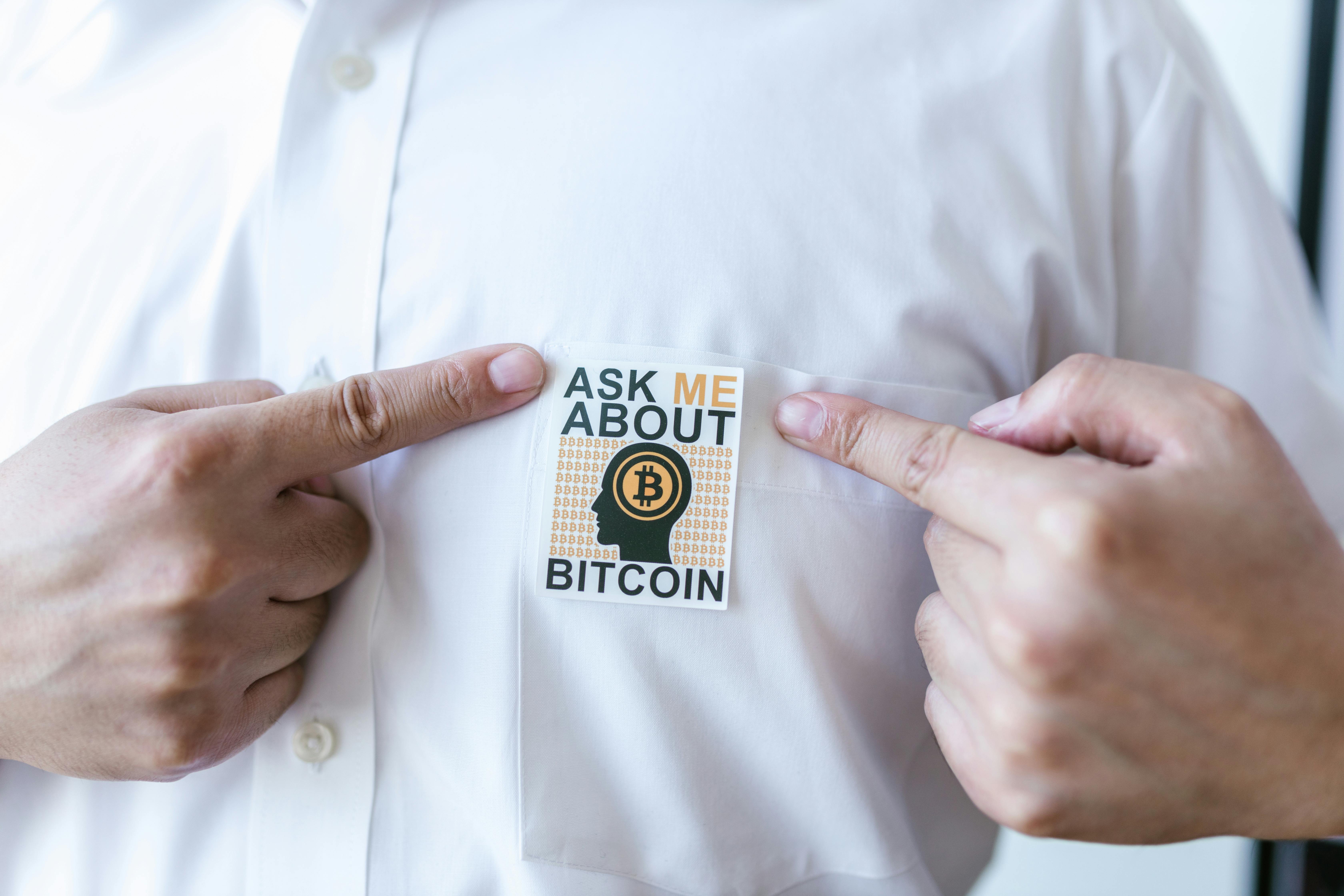
As a Malaysian crypto trader in 2025, Bitcoin (BTC) remains the cornerstone of digital assets, offering a decentralized alternative to traditional finance. With Malaysia's SC-regulated market expanding, BTC's role as a store of value and payment tool is key for MYR trades on platforms like SINEGY. This guide covers its definition, origins, mechanics, advantages, drawbacks, and practical uses, helping you navigate BTC/MYR pairs securely.
What Is Bitcoin (BTC)?
Bitcoin is a decentralized digital currency on a blockchain—a public ledger maintained by global users. It uses cryptography, incentives, and a fixed 21 million supply to ensure security and value. Without government or bank control, it enables peer-to-peer transfers via public-private key cryptography: public keys generate wallet addresses, private keys sign transactions. Nodes validate rules, miners add blocks, making BTC resistant to counterfeiting and a potential "digital gold" for Malaysians hedging Ringgit volatility.
History of Bitcoin
Bitcoin emerged in 2008 via a whitepaper by pseudonymous Satoshi Nakamoto, proposing a peer-to-peer electronic cash system. The first software launched in 2009, with Nakamoto mining the Genesis Block. Active until 2011, Nakamoto handed off to developers. Influences include B-money (Wei Dai, 1998), Bit Gold (Nick Szabo, 1998-2005), eCash (David Chaum, 1983), Hashcash (Adam Back, mid-1990s), and Reusable Proof of Work (Hal Finney, 2004). The first transaction was Nakamoto sending 10 BTC to Finney in 2009. Bitcoin Pizza Day (May 22, 2010) marked its first payment use, with 40,000 BTC for two pizzas. About 20 million BTC circulate today.
How Bitcoin Works
Bitcoin operates on a decentralized node network without central control. Transactions are broadcast, verified by miners using proof-of-work (PoW): They solve hash puzzles to propose blocks, expending energy for validity. The winner adds the block and earns rewards. Nodes verify to prevent double-spending. Difficulty adjusts every two weeks for 10-minute blocks. New BTC comes from block rewards (3.125 BTC post-2024 halving), halving every 210,000 blocks until the cap. This scarcity drives value for Malaysian traders on SINEGY.
Benefits of Bitcoin
For Malaysians, BTC offers:
- Decentralization: No single point of failure, resilient in unstable economies.
- Scarcity: 21M cap positions it as digital gold, more divisible/portable than physical assets.
- Efficiency: Peer-to-peer payments faster/cheaper than international wires.
- Versatility: Evolving from payments to investments, with merchant adoption growing.
Risks of Bitcoin
Drawbacks include:
- Volatility: Prices fluctuate wildly, unsuitable for short-term stability.
- Energy Use: Mining consumes massive electricity; personal mining raises costs.
- Security: Wallets vulnerable to hacks/malware if not secured.
- Adoption Limits: Not universally accepted; P2P buys risk fraud.
Real-World Examples
BTC's applications include:
- Early Tx: Nakamoto's 10 BTC to Finney in 2009 tested functionality.
- Pizza Day: 40,000 BTC for pizzas in 2010—first known payment.
- Merchants: Retailers accept BTC for low-fee global sales.
- Services: Platforms enable fiat-BTC trades; mining rewards incentivize security.
Bitcoin powers crypto—trade BTC/MYR on SINEGY. Download our Mobile App for secure access and exclusive guides!