What Is a Blockchain Consensus Mechanism? Explained for Malaysian Traders
As a Malaysian crypto trader in 2025, grasping blockchain consensus mechanisms is vital for understanding network security, transaction reliability, and trading opportunities. These systems solve the challenge of coordinating decentralized participants without a central authority, much like resolving the Byzantine Generals' Problem—a classic dilemma of reliable communication in faulty systems. With Malaysia's Securities Commission (SC) emphasizing robust blockchain tech amid rising adoption, consensus ensures trust in platforms like SINEGY for seamless MYR trades. This guide, inspired by industry insights, covers definitions, operations, types, pros/cons, and relevance to your trades.
What Is a Consensus Mechanism?
A blockchain consensus mechanism is an automated protocol that allows distributed validators to agree on ledger data and enforce rules honestly. It achieves two goals: unanimous validation of new/existing information and maintaining network integrity against dishonest actors. Without it, issues like double-spending could undermine the system, eroding user trust.
For Malaysian traders, this means dependable transactions on regulated exchanges—preventing fraud that could spike volatility in MYR pairs. Consensus deters attacks by requiring resource investment, making malice costly.
How Do Consensus Mechanisms Work?
Most require validators to commit resources (time, funds, energy) before proposing/validating blocks. This uses incentives (rewards for honesty) and coercion (penalties for violations) to align behavior. The process ensures data accuracy and security, enabling leaderless coordination.
In trading terms, efficient consensus reduces fees and speeds settlements, crucial for Malaysia's 2025 market with growing DeFi integration on SINEGY.
Key Types of Consensus Mechanisms
Various types balance security, efficiency, and decentralization—impacting your choice of networks for trading or staking.
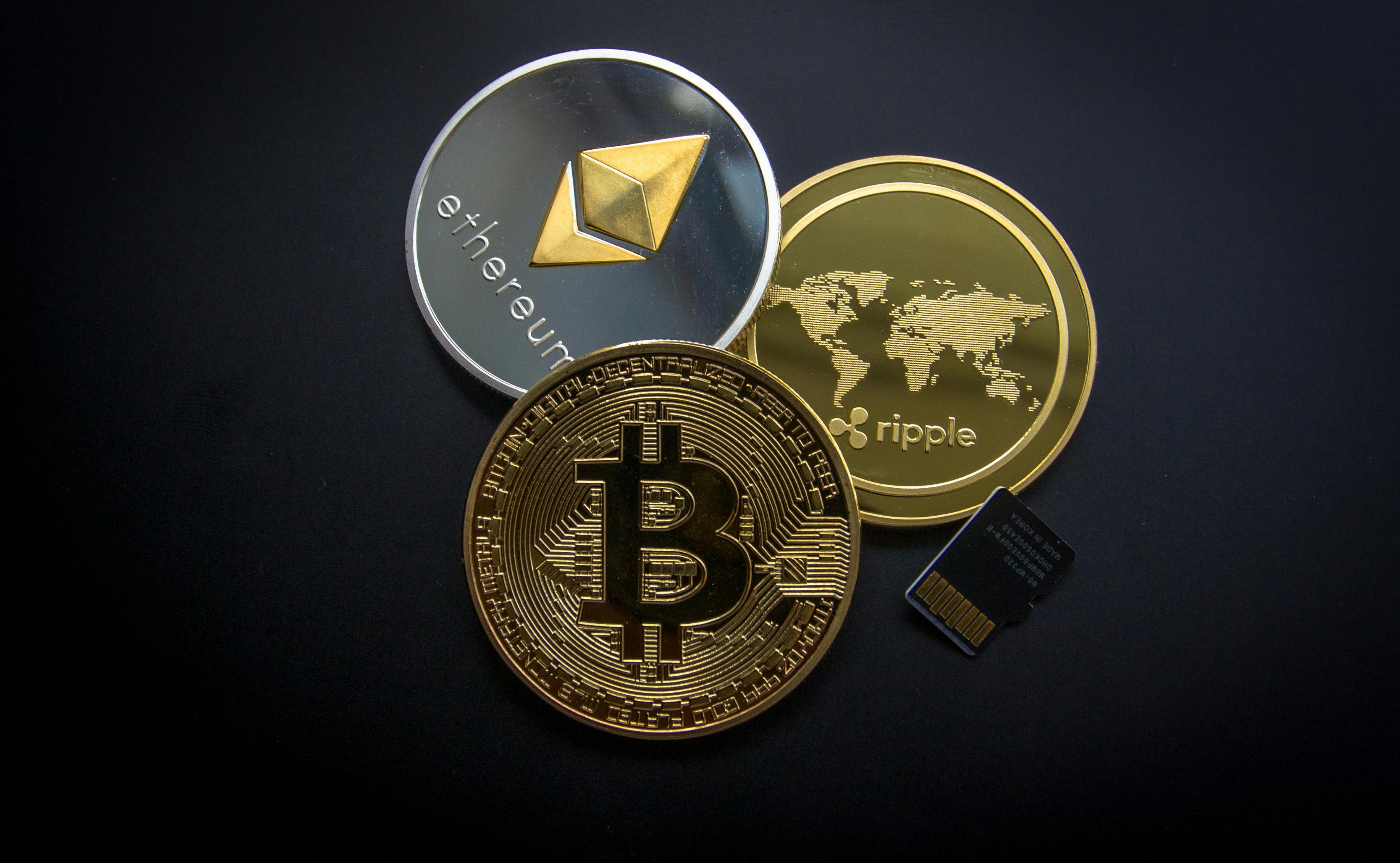
- Proof-of-Work (PoW): Validators (miners) solve cryptographic puzzles using computing power. The first to succeed adds the block and earns rewards. High energy use makes attacks expensive, but it's resource-intensive. Bitcoin's PoW provides top-tier security for high-value trades.
- Proof-of-Stake (PoS): Validators stake native tokens in smart contracts; selection is lottery-based, weighted by stake size. Penalties like "slashing" deter misconduct. Ethereum's PoS offers energy-efficient staking yields—attractive for Malaysian passive income seekers.
- Other Types: Delegated PoS (DPoS) elects delegates for faster decisions; Proof-of-Authority (PoA) relies on trusted identities; Byzantine Fault Tolerance (BFT) handles failures in smaller networks. Hybrids like Proof-of-Activity combine elements for balanced performance.
Benefits and Drawbacks
Benefits include secure, trustless agreements and attack resistance—enabling global trading without intermediaries. PoW offers superior 51% attack protection; PoS enables sharding for scalability.
Drawbacks: PoW's energy demands face environmental scrutiny, potentially leading to 2025 taxes in Malaysia. Both risk centralization—PoW to big miners, PoS to large stakers—amplifying wealth gaps and trading inequalities.
Comparisons Between Mechanisms
PoW vs. PoS: PoW prioritizes security but consumes vast energy; PoS is efficient and scalable but potentially less resilient to certain attacks. No single winner—choose based on needs: PoW for Bitcoin's stability, PoS for Ethereum's DeFi. In Malaysia's regulated space, PoS's low impact supports sustainable trading on SINEGY.
Real-World Examples
- Bitcoin: PoW pioneer, securing the network through mining costs—reliable for Malaysian BTC/MYR trades.
- Ethereum: Switched to PoS in 2022, enabling staking—key for yield farming amid 2025 volatility.
- Ripple: Uses Ripple Protocol Consensus Algorithm (RPCA), a federated BFT variant, for fast, low-cost cross-border payments—blending efficiency with security.
Consensus mechanisms power reliable trading—explore them on SINEGY for regulated MYR access. Download our mobile app for exclusive guides and MYR20 rewards!