How Stablecoins Are Revolutionizing Traditional Finance
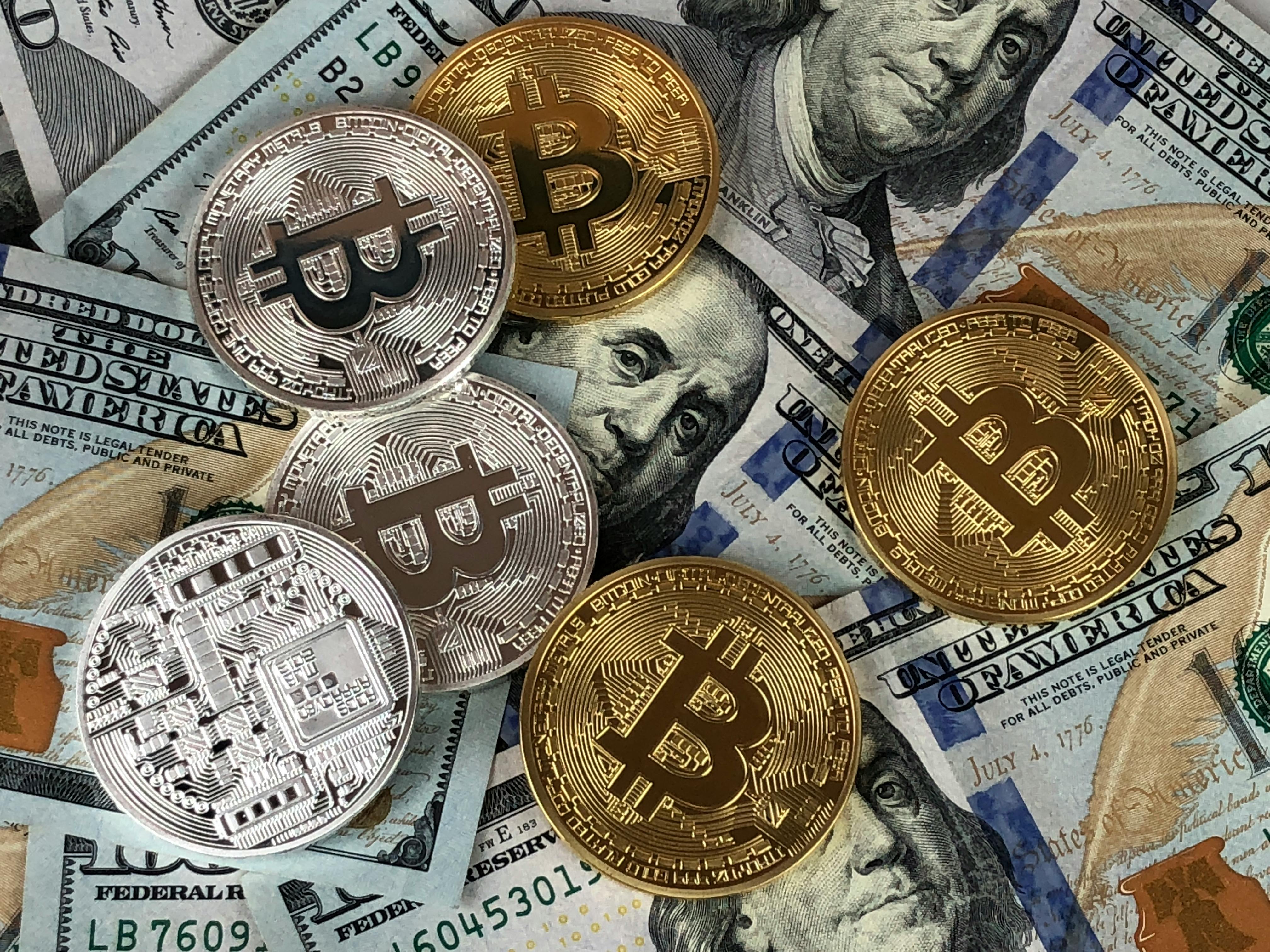
Stablecoins are quietly revolutionizing traditional finance (TradFi) by blending the stability of fiat currencies with the efficiency of blockchain technology. In Malaysia, where the crypto market is projected to grow to RM 50 billion by 2025 amid increasing adoption, stablecoins like USDT, USDC, and innovative newcomers such as Ethena's USDe are bridging gaps in payments, investments, and cross-border transactions. This post explores how these digital assets are reshaping TradFi, with real-world examples and a focus on Malaysia's regulated landscape. As queries like "stablecoins vs TradFi Malaysia" rise, understanding this shift is crucial for traders and institutions alike.
The Bridge Between Crypto and TradFi
Stablecoins maintain a steady value, typically pegged 1:1 to fiat like the USD, making them a reliable on-ramp for TradFi players entering crypto. Unlike volatile assets like Bitcoin, they offer predictability while enabling 24/7, low-cost global transfers. In 2025, with global stablecoin market cap exceeding $200 billion, they're not just "crypto money"—they're transforming legacy systems.
Faster Payments and Remittances
Traditional banking in Malaysia often involves high fees and delays for cross-border remittances, especially for the 3 million migrant workers sending money home. Stablecoins cut this down dramatically.
- USDT on TRON: Tether's USDT, with a market cap over $150 billion in 2025, dominates on the TRON network for its ultra-low fees (under $0.01 per transaction) and high speed. In Malaysia, users can send USDT converting to MYR instantly—faster than SWIFT's 1-3 days. TRON's integration has made USDT a staple for Southeast Asian remittances, processing billions monthly.
- USDC by Circle: Backed by cash reserves and audited regularly, USDC offers transparency that's appealing to TradFi institutions. It's used for B2B payments, where companies like e-wallets integrate it for near-instant settlements, bypassing forex volatility.
These examples show stablecoins slashing remittance costs by 80% compared to banks, per World Bank data, potentially boosting Malaysia's digital economy.
New Investment Avenues and Tokenization
Stablecoins are unlocking tokenized real-world assets (RWAs), turning illiquid investments into accessible digital forms.
- Ethena's USDe: This synthetic stablecoin from Ethena Labs has surged to a $6 billion market cap in 2025 by offering yields up to 20% through delta-neutral strategies (hedging ETH futures). Globally, it's revolutionizing DeFi-TradFi hybrids, allowing users to earn on stable holdings without volatility risk. Ethena's model blends TradFi derivatives with crypto, attracting institutional interest from banks exploring tokenized bonds.
Global firms like JPMorgan are piloting stablecoin-based tokenized funds.
Conclusion
Stablecoins aren't replacing TradFi—they're enhancing it, from remittances to tokenized investments. In Malaysia, embracing them via platforms like SINEGY positions you for 2025's opportunities. Join our mobile app waitlist for exclusive stablecoin guides and MYR20 rewards. Trade smarter today!