Future-Proof Your Balance Sheet: The 2025 Guide to Corporate Crypto Diversification with SINEGY
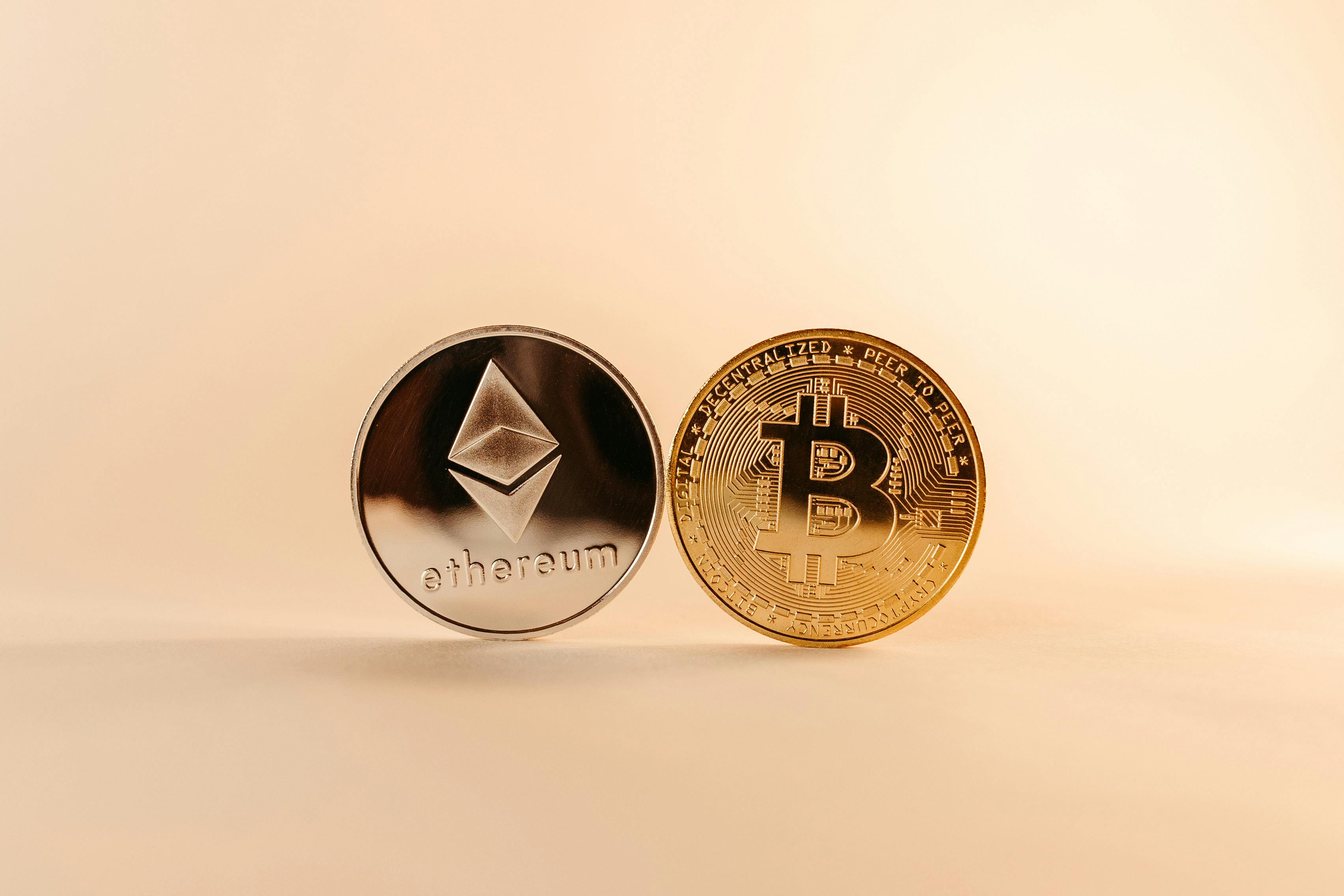
In 2025, with Malaysia's economy facing inflation pressures and global uncertainty, corporates are rethinking idle cash holdings. Traditional options like fixed deposits yield low returns (around 3-4% from Malaysian banks), eroded by Ringgit depreciation. Enter cryptocurrency diversification—allocating a portion of treasuries to digital assets like Bitcoin for potential high returns and hedging. This post explores why it's important, the rise of Digital Asset Treasuries (DATs), real-world examples, risks, and how SINEGY provides a regulated path for Malaysian firms.
Why Diversify Corporate Cash with Crypto?
Corporates hold billions in cash for liquidity, but inflation (Malaysia at 2-3% in 2025) and low yields diminish value. Crypto offers:
- Inflation Hedge: Bitcoin's fixed supply (21 million cap) acts like digital gold, appreciating amid fiat debasement—up 150% YTD in 2025 per market data.
- Higher Returns: Diversification can boost risk-adjusted returns; studies show 1-5% crypto allocation improves portfolios by 20-30% without excessive volatility.
- Liquidity and Accessibility: 24/7 markets allow quick conversions, unlike locked bank deposits.
- Strategic Edge: In Malaysia, with SC pushing fintech, crypto treasuries align with digital economy goals, potentially enhancing shareholder value.
Benefits outweigh holding cash earning near-zero real returns, especially post-2025 ETF approvals driving institutional inflows.
The Rise of Digital Asset Treasuries (DATs)
DATs—companies holding crypto as core treasury assets—have exploded in 2025, with public firms accumulating $100+ billion in Bitcoin alone. Pioneered by MicroStrategy (MSTR), which holds $77 billion in BTC (up from $250 million in 2020), DATs treat crypto as a superior reserve asset.
- MicroStrategy: Converted debt to BTC, yielding 300%+ returns; now a "Bitcoin treasury company" with leveraged exposure.
- Metaplanet (Japan): Asia's "MicroStrategy," holding $600 million in BTC for diversification amid yen weakness—mirroring Malaysia's Ringgit concerns.
- Other Examples: Cosmos Health ($1.5 million ETH), Propanc Biopharma ($100 million digital assets), and Avalanche Treasury Co. ($1 billion AVAX) show broadening adoption across sectors.
In Malaysia, DATs could hedge forex risks, with SINEGY facilitating compliant holdings. Global trends: Corporate BTC treasuries doubled in 2025, per reports, signaling a shift from fiat fragility.
Risks to Consider
Volatility: Crypto can drop 20-50% short-term, as seen in 2024 drawdowns. Regulatory: SC monitors closely; non-compliance risks fines. Operational: Hacking/theft threats require robust custody. Mitigation: Allocate 1-5% initially, use regulated platforms, and diversify (e.g., BTC + stables).
How Corporates Can Diversify with SINEGY
SINEGY, as a SC-regulated DAX, offers a secure gateway:
- Account Setup: Register as a business entity with SSM docs and KYC—fast approval.
- Funding: Deposit MYR via corporate bank transfers or crypto inflows.
- Diversification Tools: Buy/hold BTC/ETH with API for automated management; trailing stops protect gains.
- Compliance: Full AML/KYC, segregated funds, and reporting for treasury audits.
- Getting Started: Consult SINEGY's team for tailored strategies; integrate with our mobile app for real-time monitoring.
Example: A Malaysian SME allocates 2% treasury to BTC via SINEGY hedging inflation while enjoying steady capital appreciation.
Diversifying with crypto via DAT strategies is a 2025 imperative for corporates. Start with SINEGY—secure your treasury's future!